
My mother’s 53rd birthday was approaching, and I wanted to surprise her with a new car. At the time, I was a medical student, but I was in the business of saving money. One day in February, I took the train after my hospital shift and went to the Honda Dealer in Queens. I was driven to make the down payment, but my Brother, another friend and even the Holy Spirit were saying, “No.” I, however, persisted, put down $3,000, and left the dealership without a car. When my mother heard this, she was appalled. And the Holy Spirit chided with me for not obeying. He asked, “How are you trying to buy a car for your mother, and you don’t even cover insurance for the car she has now? What contribution are you making now, to show that you can even maintain a car?”
Elder Randy Skeete dissecting the doctrine of the latter rain, underscored that our fitness to receive the latter rain is predicated on the work we are doing now with the former rain. For the latter rain, which is the final outpouring of the Holy Spirit on God’s people, is entrusted to those who are faithful with the former rain, esteem the Word of God above their lives and set their affections above and not beneath (Colossians 3:2)1. And this outpouring will catalyze the final great conflict: persecution of God’s people and Christ’s ultimate deliverance of them. But, if with the early rain, we fail to trust God and show our loyalty to Him, how will we be ready for the latter? Our readiness tomorrow is determined by our faithfulness today.
The former and latter rain refer to the literal rain cycle in ancient Israel: October to November and March to April respectively2. The former rain fell around sowing time and helped the seed sprout, whereas the latter rain descended near the close of the season to prepare the grain for harvest (The Review and Herald, March 2, 1897, par. 1)3. God uses this phenomenon to typify His work on a global and personal level. After His resurrection, Jesus bade the disciples to tarry in Jerusalem, “until [they] be endued with power from on high” (Luke 24:49)1. In obedience, they gathered in the upper room, “in prayer and supplication” (Acts 1:12)1, “[a]nd when the day of Pentecost was fully come…they were all filled with the Holy Ghost” (Acts 2:1, 4)1. This marked the beginning of the fulfillment of the great commission in Matthew 28:18-201. This was the former rain. Jesus also states that when, “this gospel of the kingdom shall be preached in all the world for a witness unto all nations…then shall the end come” (Matthew 24:14)1. As the beginning of the work was marked by the outpouring of the Holy Spirit, so will the ending, but with even more gusto. That will be the latter rain. It gives weight to the loud cry of Revelation 18, convinces the world of sin and will ignite the fury of the wicked against those heralding and heeding the loud cry (Daniel 12:1)1.
In like manner, the beginning of our personal walk with God is at baptism. When we repent and are baptized in the name of Jesus, we “receive the gift of the Holy Ghost” (Acts 2:38)1. This marks the beginning of a life surrendered to the moving of the Spirit. The Christian should crescendo in Christ to receive the latter rain, the final great outpouring of the Holy Spirit. This also comes through prayer, fasting, the study of the word, voracious seeking of God. The LORD says, “And ye shall seek [M]e, and ye shall find [M]e, when ye shall search for [M]e with all your heart” (Jeremiah 29:13)1. And oh how God yearns to give the Holy Spirit to those who ask Him (Luke 11:13)1!
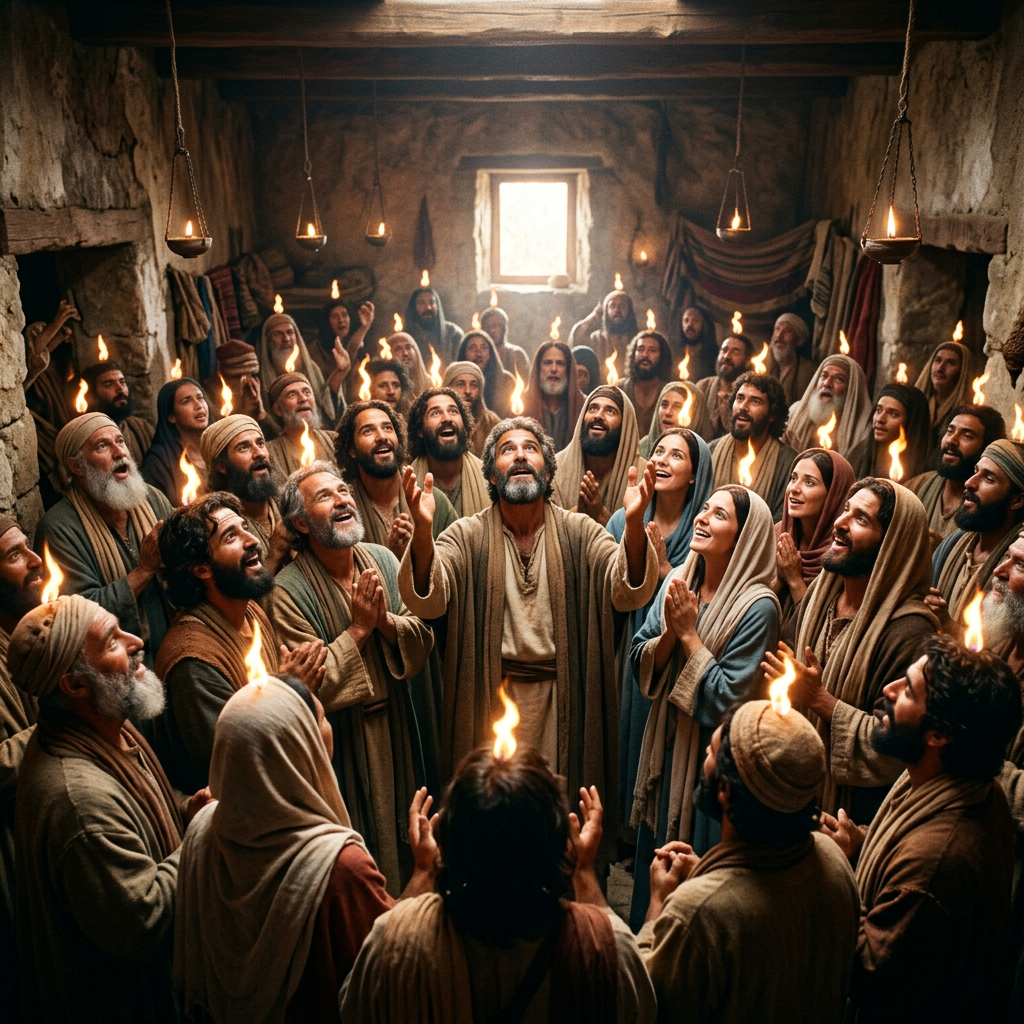
Now, we know we are filled with the latter rain when the tenor of our thoughts becomes: “How does this decision glorify God?” Every thing we say, do and not do is with the intent to honor our Father and be a blessing to His people. Even the food and drinks we consume will be to lift up the One who is Love (1 John 4:8, 16).1 Ergo, the divine and human become one; the flesh is subject to the Spirit, and God’s object for humanity is fulfilled: man becoming a mirror image of the Father (Genesis 1:26, 27)1 and giving glory to Christ (Isaiah 43:7)1. This metamorphosis is the handiwork of the Holy Spirit (2 Corinthians 3:18)1.
It is the spirit that quickeneth; the flesh profiteth nothing: the words that I speak unto you, they are spirit, and they are life (John 6:63)1
Understand that the Holy Spirit works in conjunction with the Word of God to transform us. Paul posits that the Word of God is the sword of the Spirit (Ephesians 6:17)1; it is the instrument by which the Spirit performs surgery on us to recreate us from carnal to spiritual. Just as God operated on Adam, by removing a rib to create Eve, the Holy Spirit is operating on us to remove sin, self and pride. But, we must fully surrender to working of the Spirit. We must be willing to stand still in His presence and let Him work in us both to will and to do of His good pleasure (Philippians 2:13)1. Otherwise, we will merely talk about the Spirit, without the true power thereof (2 Timothy 3:5)1.
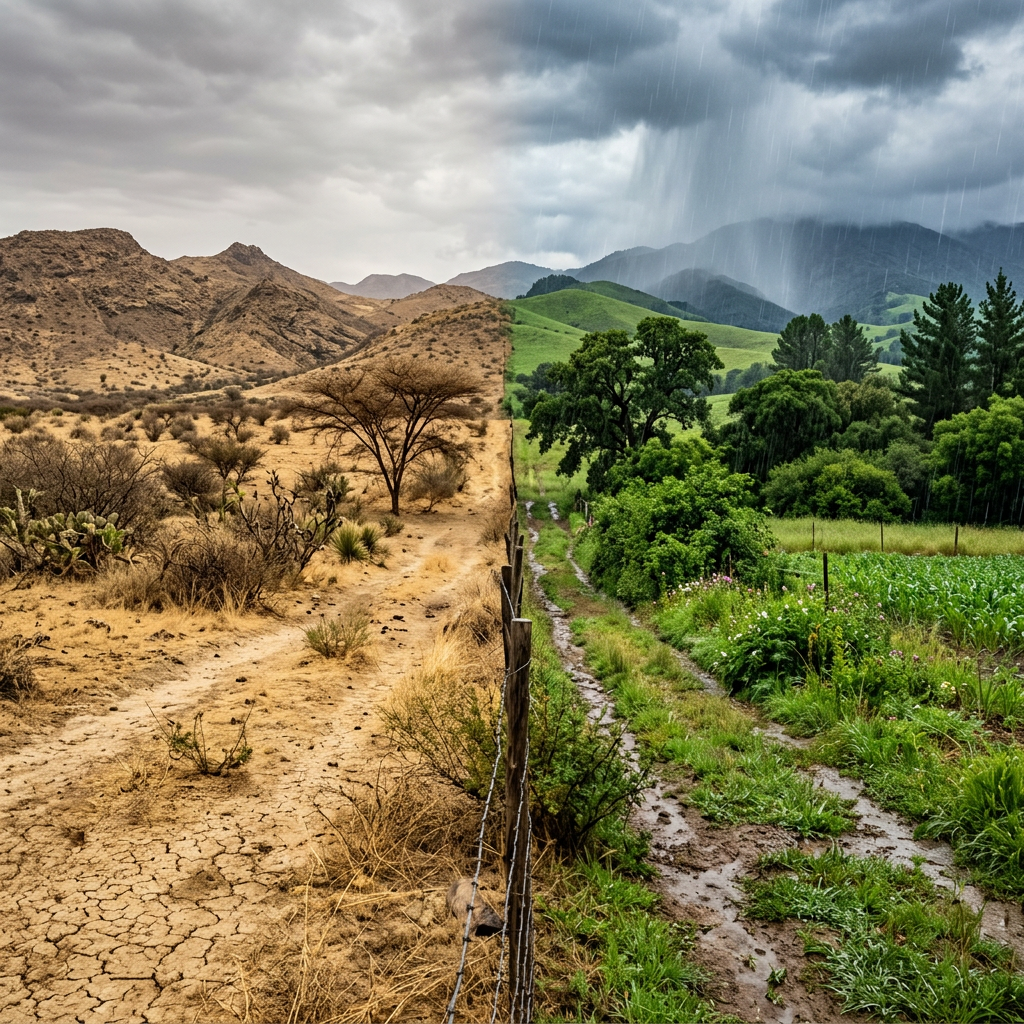
When God created the earth, there was no rain. Rather, “there went up a mist from the earth and watered the whole face of the ground” (Genesis 2:5)1. Rain came as a consequence of sin; in God’s attempt to destroy the wicked and preserve righteous Noah and his family, God created rain to assist in cleansing the earth with a great flood. Today, like the antediluvians, we live in a world supersaturated with sin. And God promises that He will destroy the world with fire, but those who are soaked and overflowing with the latter rain of the Holy Spirit will stand in the fire. In fact, we will live in the eternal fire of God’s presence and not be burned (Hebrews 12:29; Exodus 3:2)1, if we prepare ourselves, make use of the former rain and by faithful obedience receive the latter rain. Let us allow God to rain His power on us today.
Sources:


Powerful word, my Virtuous Sister!
Keep on shining for Jesus, and grow in grace!
LikeLike
Amen, and thank you, my Brother! God bless you!
LikeLike